Salvable Bdscr Now
Salvable Bdscr Now
Películas, series, deportes y canales en vivo de todas las plataformas, en un solo lugar.
 Comenzar ahora
- Calidad SD, HD y FHD
- 📺 Canales en vivo
- 🎬 Películas y series
- 🔞 Canales ADULTOS
- ⚡ Soporte 24/7 por WhatsApp
Películas, series, deportes y canales en vivo de todas las plataformas, en un solo lugar.








The salvable BDSCR concept forces a reconciliation between two competing principles: beneficence (saving lives) and non-maleficence (avoiding harm through futile care). In resource-rich settings, the default may be to treat all BDSCR patients as potentially salvable until proven otherwise. However, during mass casualty events or pandemics, triage protocols explicitly prioritize patients with high salvageability scores. For example, a young, previously healthy patient with witnessed BDSCR due to a reversible cause (e.g., opioid overdose with respiratory arrest and bradyasystole) is maximally salvable. Conversely, a patient with end-stage malignancy and unwitnessed BDSCR is not. Recognizing this distinction protects clinicians from moral distress and ensures that scarce intensive care resources serve those with genuine hope of recovery.
The greatest danger in applying the salvable label is premature certainty. Studies on resuscitation show that clinical gestalt alone often underestimates salvageability, particularly in hypothermic or poisoned patients. Moreover, emotional pressure from families or the clinician’s own rescue fantasy can drive futile interventions. Therefore, a disciplined, protocol-driven assessment—using validated criteria (e.g., the Pittsburgh Cardiac Arrest Category or the UN10 rule)—is essential. BDSCR algorithms should mandate a “salvage time window” (e.g., 20–30 minutes of high-quality ACLS) before declaring non-salvability, during which reversible causes are actively excluded. salvable bdscr
Clinicians rely on several key markers to differentiate a salvable BDSCR from a non-salvable one. First, witnessed or short-duration collapse (e.g., less than 10 minutes of normothermic cardiac arrest) strongly predicts neurologic salvage. Second, intermittent signs of life —such as gasping, pupillary reflex, or organized cardiac electrical activity—suggest that the systemic collapse has not yet become irreversible. Third, point-of-care ultrasound (e.g., cardiac contractility or aortic flow) can reveal residual myocardial function. Conversely, asystole lasting >20 minutes, dependent lividity, or a non-shockable rhythm in the absence of reversible causes renders BDSCR non-salvable. Misclassifying a non-salvable patient as salvable leads to prolonged, futile resuscitations; misclassifying a salvable patient as non-salvable constitutes abandonment. The salvable BDSCR concept forces a reconciliation between
The concept of the salvable BDSCR patient is a cornerstone of rational, compassionate emergency care. It rejects both blind activism and passive resignation, demanding instead a precise, time-sensitive judgment rooted in physiology and ethics. By clearly defining which forms of systemic collapse are reversible and which are not, clinicians can focus their efforts—and their hope—on those most likely to walk out of the hospital. Ultimately, to recognize the salvable is to honor the very purpose of medicine: not to defer death indefinitely, but to rescue life when rescue remains truly possible. If you can provide the exact definition of BDSCR (e.g., from a specific textbook, journal, or lecture slide), I will revise the essay entirely with correct terminology and references. For example, a young, previously healthy patient with
Below is a structured, generalizable academic essay on the If you can provide the exact definition of BDSCR from your course, I can rewrite the essay with precise data. Essay: The Ethical Imperative of Recognizing the Salvable Patient in BDSCR Introduction In the high-stakes environment of acute medicine and disaster response, few concepts carry as much weight as the term salvable . Derived from the Latin salvare (to save), it distinguishes a patient who, despite catastrophic physiological derangement, possesses a realistic pathway to survival with meaningful neurological recovery. Within the framework of BDSCR —understood here as a state of Bilateral or Bi-Directional Systemic Collapse Response (e.g., simultaneous cardiovascular collapse and respiratory failure)—the question shifts from “Can we intervene?” to “Should we intervene, and for whom?” This essay argues that accurately identifying the salvable BDSCR patient is not merely a clinical skill but a moral necessity, preventing both therapeutic nihilism and the futility of resource misallocation.
Given the context of the word (capable of being saved or rescued), I will proceed on the reasonable assumption that BDSCR refers to a theoretical or specific clinical scoring system, metabolic crisis threshold, or trauma classification—perhaps something like “Bi-Directional Systemic Collapse Response” or a similar critical event.
A patient experiencing BDSCR typically presents with refractory hypotension, severe hypoxia, and evidence of end-organ ischemia. However, “salvable” implies three objective criteria: (1) the insult is time-limited (e.g., massive pulmonary embolism, tension pneumothorax with cardiogenic shock), (2) there is no irreversible brainstem injury, and (3) the patient’s baseline physiological reserve (age, comorbidity burden) supports recovery. In this context, a salvable BDSCR is not a “flatline” but a deep, dynamic crisis where rapid, targeted intervention—such as extracorporeal life support (ECLS) or emergency thoracotomy—can restore spontaneous circulation.
Licencia: Es el permiso para usar la app en TVs Samsung, LG o Android (pago anual en la tienda oficial).
Servicio: Es el contenido que ves dentro de la app (pago mensual).
✅ Ten en cuenta que el pago aplica por cada dispositivo.
Explora parte del contenido disponible en CLICK TV — canales en calidad SD a Full HD.
Los canales más vistos para los amantes del séptimo arte:
Vive la emoción del deporte con tus canales favoritos:
Diversión y aprendizaje para los más pequeños:
Documentales, ciencia y conocimiento sin límites:
Programas, realities y shows para todos los gustos:
Contenido exclusivo para mayores de edad (bajo solicitud):
💎 ¿Listo para acceder al catálogo completo de canales?
Ver planes disponibles
Sigue estos pasos según tu dispositivo y empieza a disfrutar de CLICK TV en minutos.
¿Aún no tienes tus credenciales de acceso?
📩 Solicitar acceso por WhatsApp
El logo de Smart One IPTV es el siguiente:

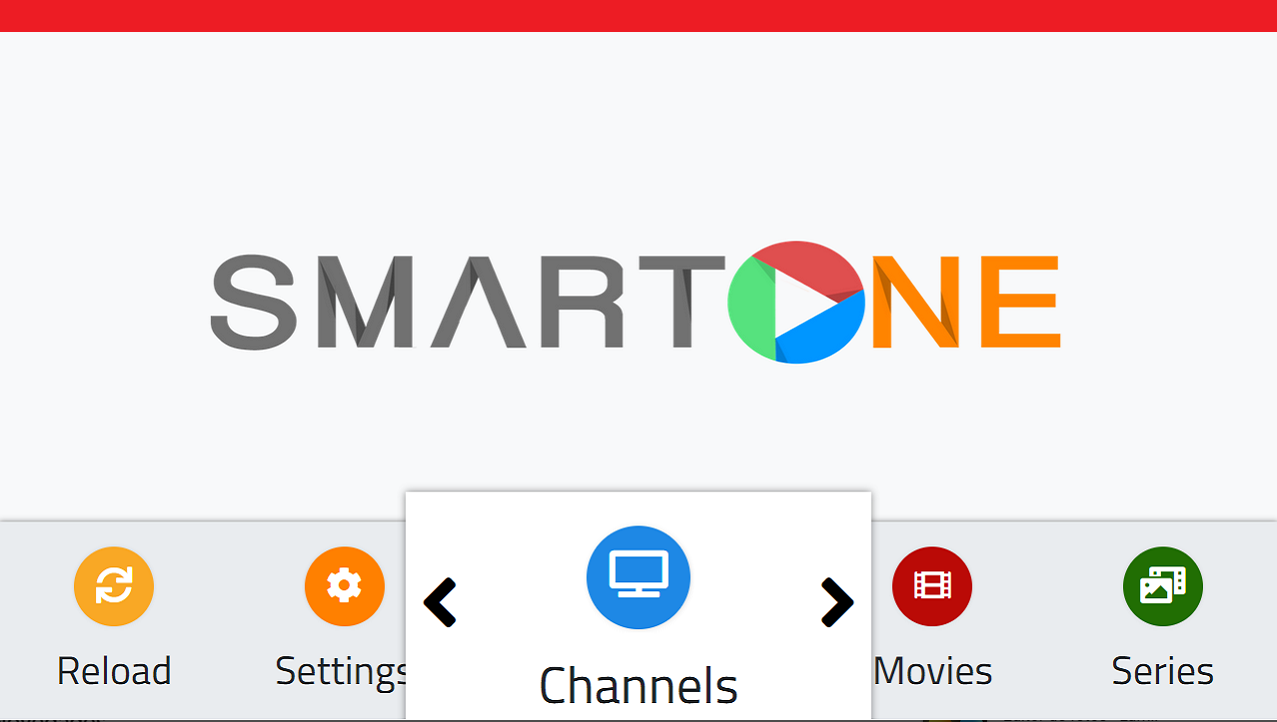
Envía la imagen generada por la app y activa tu servicio de CLICK TV aquí 👇
💬 Enviar imagen por WhatsApp

¿Necesitas tus credenciales de acceso para tu TV Box o Fire TV?
💬 Solicitar acceso por WhatsApp
¿Necesitas tus credenciales de acceso para tu Windows?
💬 Solicitar acceso por WhatsApp
⚠️ Las aplicaciones y métodos de instalación pueden variar según el modelo o versión del sistema operativo.
CLICK TV es un servicio de entretenimiento que te permite disfrutar de películas, series, deportes y canales en vivo de todas las plataformas, en un solo lugar.
CLICK TV ofrece diferentes planes desde $15.000 hasta $25.000, dependiendo del número de dispositivos que desees conectar.
Puedes ver CLICK TV en Smart TVs (Samsung, LG, Android), celulares, tablets o computadoras. Solo necesitas conexión a internet.
Solo necesitas escribirnos por WhatsApp al número de soporte y nuestro equipo gestionará tu cancelación de forma rápida y sencilla.
CLICK TV cuenta con miles de películas, series, canales deportivos, canales para adultos y contenido infantil. ¡Todo en un solo lugar!
Sí. CLICK TV incluye una selección de canales y contenido especialmente diseñado para niños, con opciones seguras y educativas.