Sajini Hot Mallu Direct
Loading
Loading

Sajini Hot Mallu Direct

On a lighter but equally significant note, Malayalam cinema is in love with Kerala’s cuisine. The ritualistic preparation of sadhya (the grand vegetarian feast on a banana leaf), the pouring of steaming chaya (tea) in roadside stalls, the aroma of karimeen pollichathu (pearl spot fish), and the breaking of appam with stew are cinematic tropes that evoke deep nostalgia and cultural belonging. The harvest festival of Onam, with its pookalam (flower carpets) and Vallamkali (snake boat races), provides a recurring backdrop for family reunions, reconciliations, and the celebration of an idealized, agrarian past.

Kerala is a land of paradoxes—it boasts the highest literacy rate and most advanced social indicators in India, yet struggles with deep-seated issues like casteism, religious orthodoxy, unemployment, and a history of militant communism. Malayalam cinema has been a fearless chronicler of these contradictions.

Malayalam cinema, affectionately known as Mollywood, is not merely an entertainment industry; it is a cultural institution deeply embedded in the social fabric of Kerala. Unlike many of its counterparts in Indian cinema, which often prioritize spectacle and star power, Malayalam films have historically distinguished themselves through a commitment to realism, nuanced storytelling, and a profound engagement with the everyday life, politics, and landscapes of the state. The relationship between the cinema and the culture is symbiotic: the films draw their soul from Kerala, and in turn, they reflect, critique, and even reshape the identity of the Malayali people.

The Malayalam language itself is a star. The cinema is celebrated for its natural, often brilliant, dialogue that captures the regional dialects, humour, and sarcasm of the Malayali people. From the sharp, political repartee of a coffee shop in Kottayam to the gentle, earthy proverbs of a northern village, the films revel in linguistic precision. Unlike the flowery, standardized Hindi of Bollywood, Malayalam cinema embraces the colloquial. The legendary screenwriter and director Padmarajan was a master of this, crafting conversations that felt overheard rather than written. This reflects a core cultural trait of Keralites: a love for argument, wit, and articulate expression.

Shakespeare Video Collection

Showcasing behind-the-scenes videos at the Globe, candid interviews with renowned Shakespeare actors and directors, as well as controversial adaptations of the Bard, the Shakespeare video collection is an ideal resource for students, academics, and practitioners. Rare documentary footage focuses on the Globe’s status as a unique theatrical institution, whilst the collection’s critical commentaries aim to demystify and illuminate Shakespeare’s most challenging works.

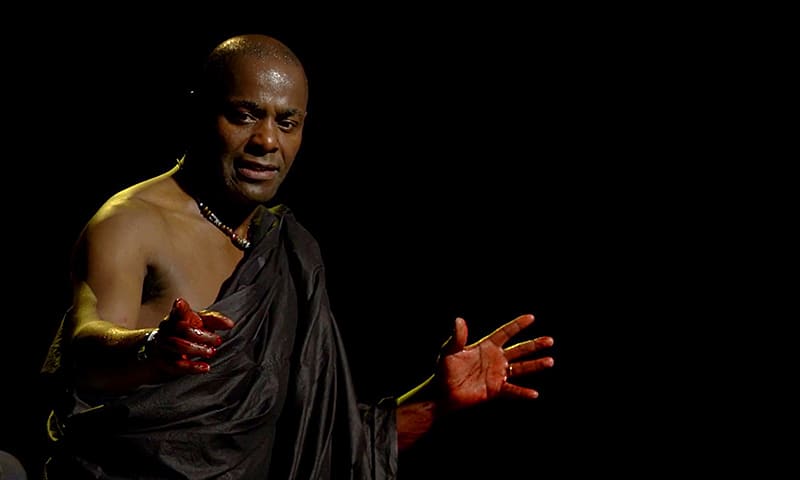
Paterson Joseph starring as Brutus in the production Julius Caesar for the Shakespeare Video Collection
Fiona Shaw starring in Deborah Warner’s adapation of Richard II for the Shakespeare Video Collection
An actor dressed in costume with white and red face paint holding a stick for the Shakespeare Video Collection

This collection features:

  • The captivating documentary Muse of Fire, which follows actors Giles Terera and Dan Poole across the world as they question theatre luminaries such as Sir Ian McKellen, Dame Judi Dench, Tom Hiddleston, and Baz Luhrman about what Shakespeare means to them
  • Several filmed adaptations of Hamlet, ranging from a 1940’s retelling set in post-war London, to slapstick Shakespeare in Hamlet Stooged!, and a musical rendition, Heavy Metal Hamlet, performed by the experimental Australian theatre troupe, OzFrank
  • The 1997 screen version of Deborah Warner’s controversial adaptation of Richard II, featuring Fiona Shaw in the titular role
  • Adaptations of Macbeth, including Gregory Doran’s acclaimed RSC production with cast and director interviews and OzFrank’s inversion of the classic: Voodoo Macbeth

This collection includes rare footage, often from smaller theatre troupes whose experimental interpretations can provide a more comprehensive understanding of theatre in general and of particular plays. Please note that smaller theatre companies sometimes have lower budgets, which can impact production values.

Synchronised transcripts and closed captions for this collection are being added to videos on a rolling basis. All videos will have transcripts by December 2023. Where films in these collections are in a language other than English, captions will appear on the video and may not always be accessible to screen readers. sajini hot mallu