Close this alert
Guarda Dragons: Riders Of Berk May 2026
In the pantheon of movie-to-TV adaptations, Riders of Berk stands alongside Star Wars: The Clone Wars and Jackie Chan Adventures —a show that took a simple premise, respected its source material, and dared to ask the hard question: What happens after the hero rides off into the sunset?
Produced by DreamWorks Animation and airing on Cartoon Network, Riders of Berk is not merely a children’s filler episode machine. It is a vital expansion of the lore, a masterclass in serialized storytelling within a monster-of-the-week format, and a crucial piece of emotional architecture that makes the second film hit as hard as it does. The series picks up exactly where the first film left off. The great war is over. The dragons have moved into the village, sleeping next to hearths instead of raiding them. Stoick the Vast has accepted his son’s radical new worldview. For the first time in seven generations, Berk is at peace. guarda dragons: riders of berk
Alvin’s arc across Riders of Berk is a slow-burn siege. He doesn't attack with a fleet; he attacks with spies, sabotage, and psychological warfare. He steals the Dragon Manual . He captures Mildew (the village's crotchety anti-dragon elder). He nearly marries Stoick’s betrothed. Mark Hamill’s performance gives Alvin a greasy, intelligent menace that makes him feel more dangerous than any dragon. One of the boldest narrative choices is the character of Mildew (voiced by Stephen Root). He is the village’s holdout—the old Viking who lost his brother to dragons and refuses to accept the new world. In the pantheon of movie-to-TV adaptations, Riders of
These aren’t just palette swaps of Toothless. Each new dragon introduces a unique ecological problem. The Whispering Death, for example, tunnels under Berk, collapsing buildings. The resolution isn’t violence; it’s engineering (Hiccup builds a new foundation using Gronckle iron). This mirrors the film’s central thesis: understanding over extermination. The show needed a threat that dragons alone couldn’t solve. Enter Alvin the Treacherous (voiced by Mark Hamill, channeling his Batman: The Animated Series energy). The series picks up exactly where the first film left off
The answer lies in a surprisingly dense, character-driven, and often overlooked television series: (2012-2013).
In lesser shows, Mildew would be a cartoonish bigot. Here, he is often right . When the dragons start shedding skin that causes allergic reactions, Mildew points out the obvious: wild animals don't belong in houses. When a dragon goes feral and attacks a child, Mildew demands a cage. Hiccup has to work hard to prove him wrong, and sometimes, Hiccup fails. Mildew serves as the necessary friction that prevents Berk from becoming a utopia too easily. Let’s address the elephant in the Great Hall. The animation budget is a fraction of the film’s. Character models are stiffer. Backgrounds are flatter. Toothless, while expressive, lacks the fluid, cat-like physics of his cinematic counterpart.
When DreamWorks Animation released How to Train Your Dragon in 2010, it did more than just tell a stunning story about a boy and his disabled dragon. It built a world. The volcanic archipelago of Berk, with its quirky Vikings and menacing yet misunderstood dragons, felt alive. But what happened between Hiccup’s triumphant first flight on Toothless and the five-year jump seen in How to Train Your Dragon 2 ?
Other Books in Series
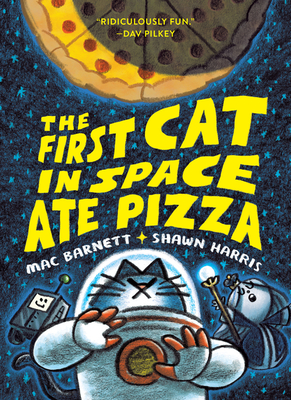
The First Cat in Space Ate Pizza: A Graphic Novel
Paperback
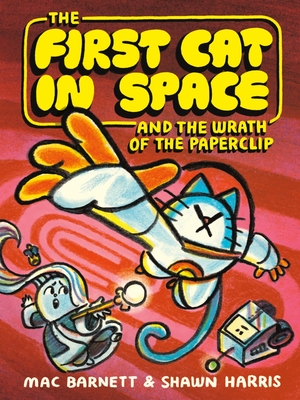
The First Cat in Space and the Wrath of the Paperclip: A Graphic Novel
Paperback
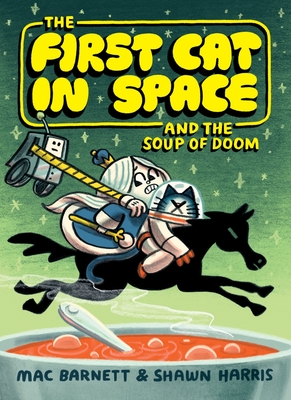
The First Cat in Space and the Soup of Doom: A Graphic Novel
Paperback
The First Cat in Space and the Wrath of the Paperclip: A Graphic Novel
Hardcover
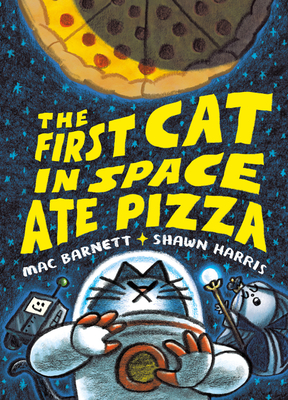
The First Cat in Space Ate Pizza: A Graphic Novel
Hardcover
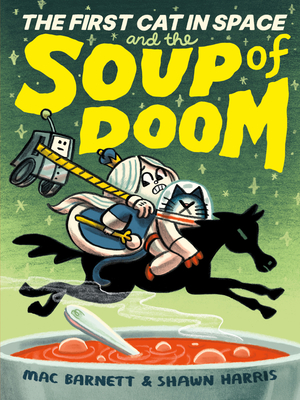
The First Cat in Space and the Soup of Doom: A Graphic Novel
Hardcover
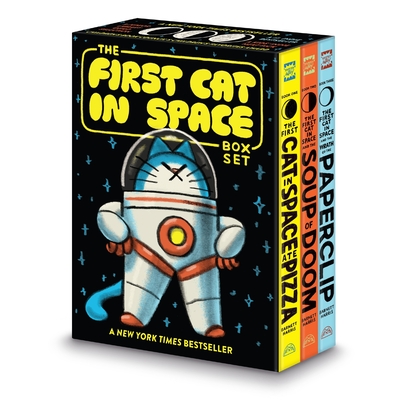
The First Cat in Space 3-Book Box Set: A Graphic Novel Collection: The First Cat in Space Ate Pizza, The First Cat in Space and the Soup of Doom, The First Cat in Space and the Wrath of the Paperclip
Multiple copy pack