- 行业一站式解决方案
- CUSTOMER CASES
我们的技术创新中心负责提供从25吨到4000吨范围内的标准型和专用型注塑机、配套设备及全自动解决方案
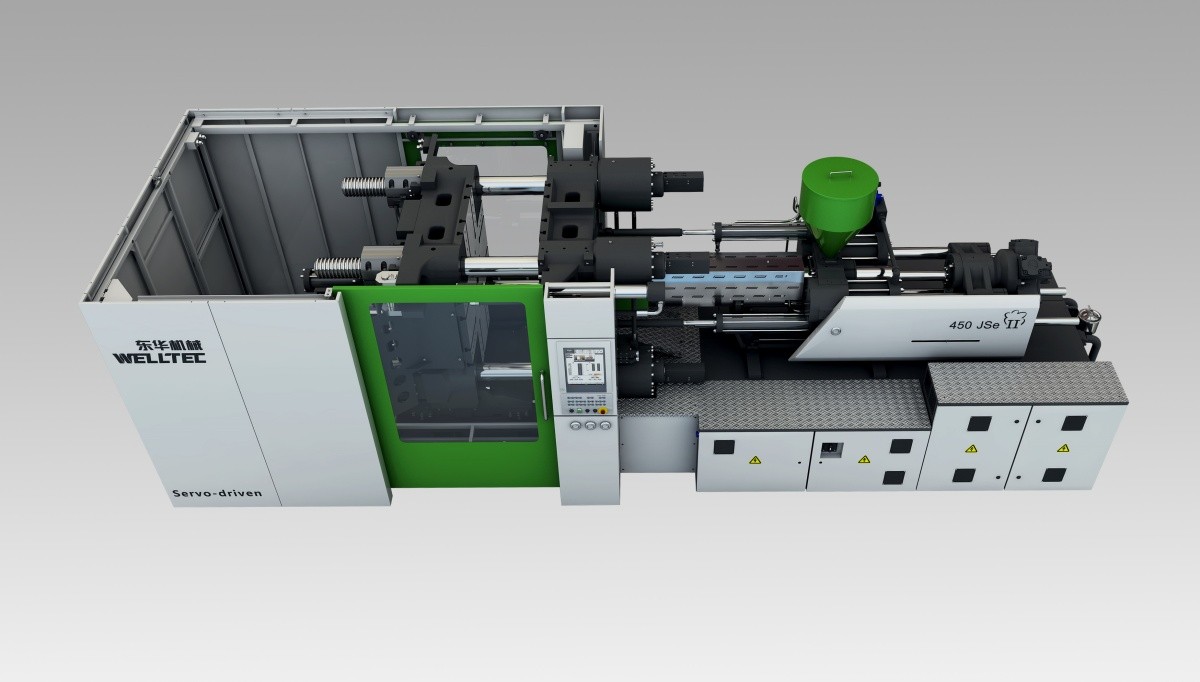
先进的两板式锁模机构,结构紧凑,占地空间更小
同步式拉杆抱闸装置,抱闸油缸具备缓冲功能
抱闸精确,无冲击
超长支撑滑脚
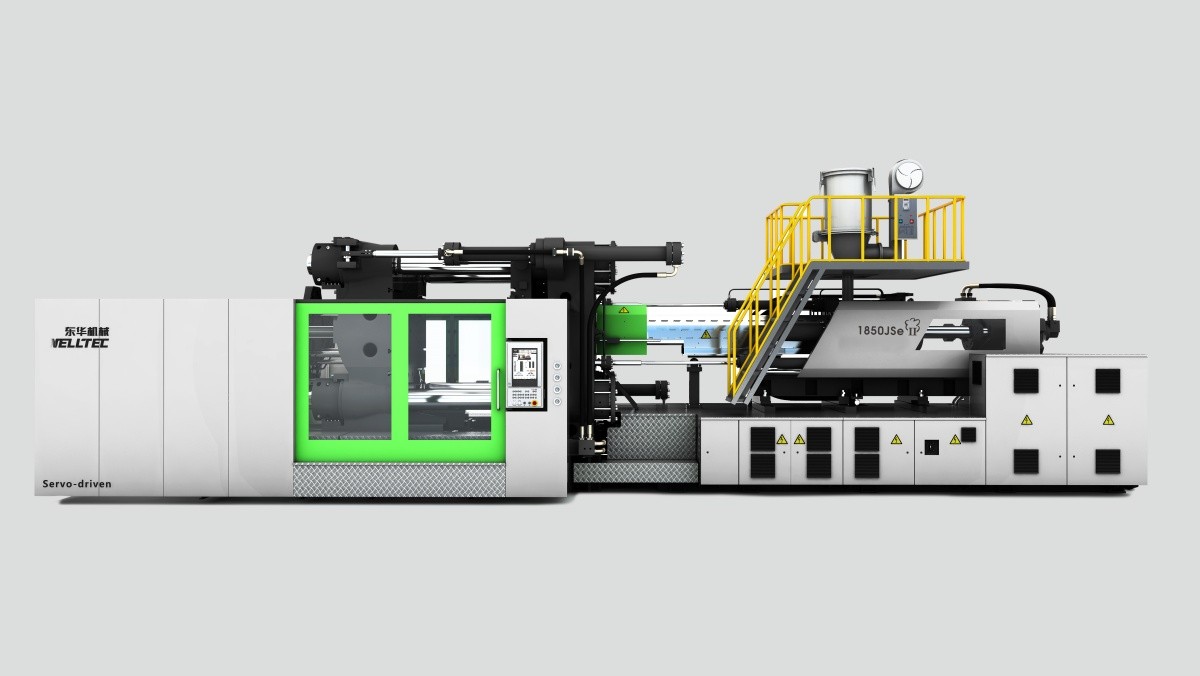
新型射台结构
结构紧凑、刚性好的新型射台结构
射台模块化设计,大小射台更换方便
双缸射移+料筒支撑,料筒防悬垂调节组件,调节简单
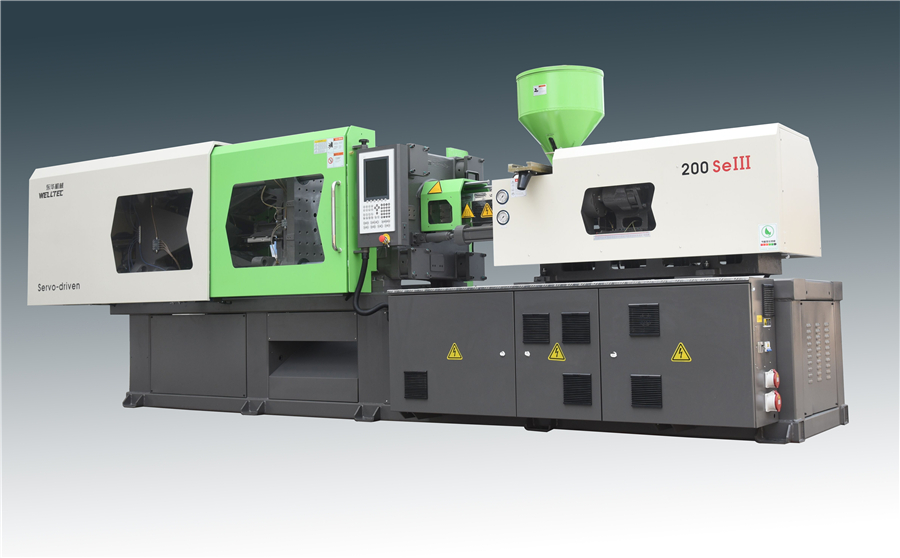
较传统变量泵系统机型节能30%以上
AC伺服马达实现流畅低速动作控制
液压耗能降至最低,避免油温上升
欧洲进口贝加莱专业注塑机控制系统
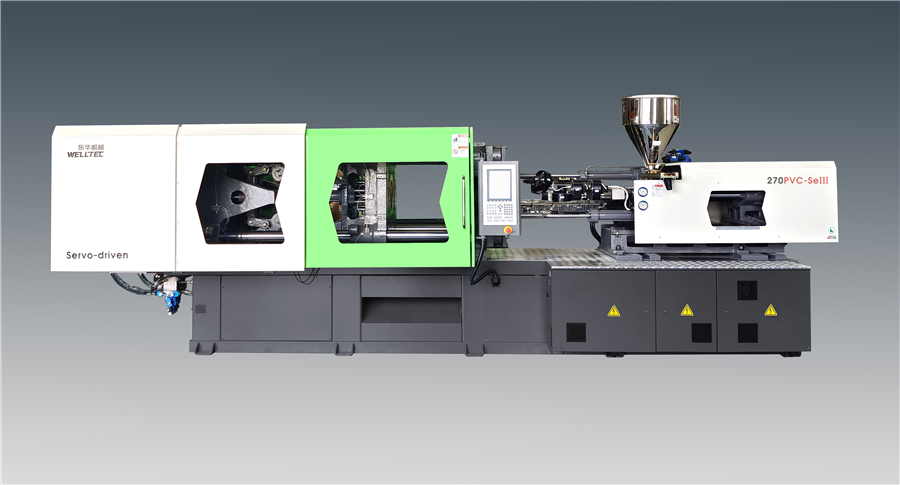
较传统变量泵系统机型节能30%以上
AC伺服马达实现流畅低速动作控制
流量及压力双闭环控制,大大提高制品重复精度
伺服驱动液压泵,低压及低流量操作表现尤其出色及稳定
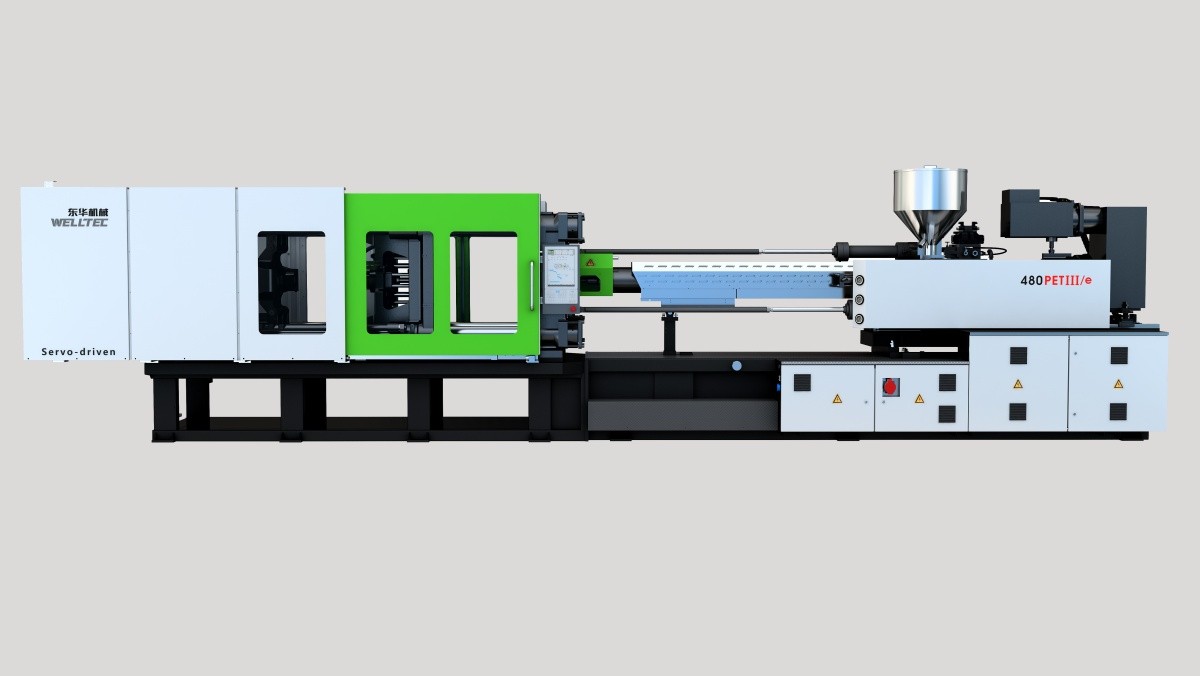
利用有限元分析软件最优化锁模设计,应力均匀,高刚性,可靠耐用;特大开模行程,满足长管胚生产
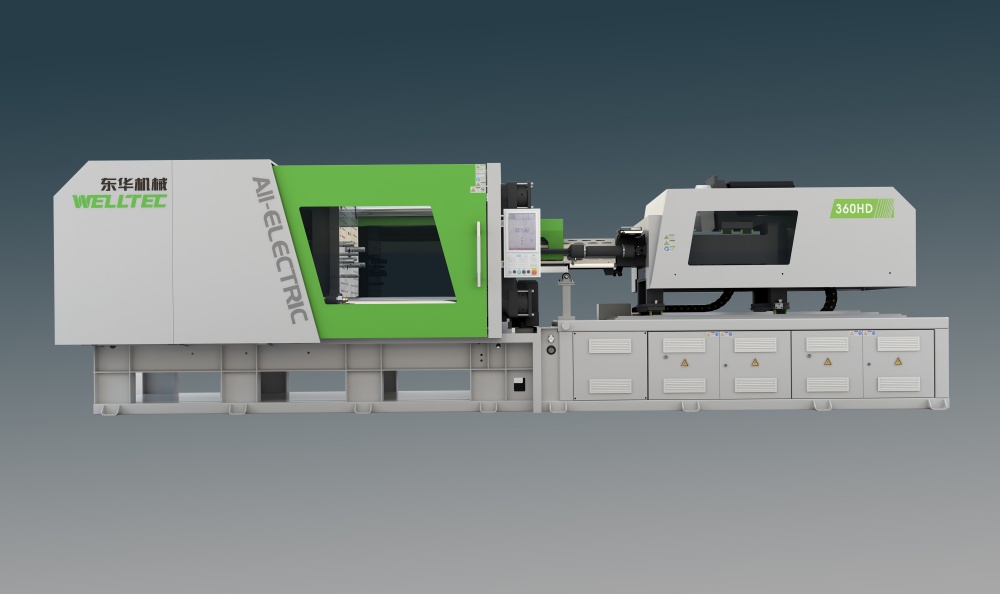
高刚度射台机构,最高压力注射机构变形≤0.05mm,能够有效保证超精密注射过程的压力实时准确监控
射胶、开合模、顶出位置重复精度±0.01mm;制品重量重复精度超过0.1%,满足精密注射要求
With a custom Express or Django API, a change like "add a tags array to the Product model and expose it in the API" requires a migration, a model update, a serializer change, a test update, and a redeployment. With Strapi, you add the field in the admin UI, hit save, and the API reflects the change instantly. Your frontend team can start consuming it before you finish your coffee. Reading the documentation for "designing web APIs with Strapi" is a short journey. The surprising truth is that there is very little to read about the API itself, because the API is almost an emergent property of your data model. The interesting part is everything around it: the permissions, the lifecycle hooks, the custom services, and the discipline of knowing when to stay within the garden and when to build a custom shed.
But to dismiss Strapi as merely a "low-code admin panel" is to misunderstand a profound shift in API design philosophy. Strapi doesn't ask you to build a factory; it asks you to curate a garden. The traditional API design process is an act of prediction. You must anticipate every query pattern, every relationship, every edge case before writing a line of code. "Will clients need to filter posts by author and date range? Should we embed comments or provide a separate endpoint?" These decisions, locked into custom code, become technical debt the moment the frontend team changes their mind. designing web apis with strapi read online
Want posts published after a certain date? ?filters[publishedAt][$gte]=2023-01-01 . Need to populate the author’s full profile and their latest three comments? ?populate[author][populate][comments][limit]=3 . This isn't a bug or an oversight; it's the core feature. Strapi surrenders low-level control in exchange for high-level agility. You stop writing the "how" of data retrieval and start focusing on the "what." Of course, gardens can grow wild. The very flexibility that makes Strapi powerful can also become its greatest danger. An undisciplined team can easily build an API that is a nightmare to consume: deeply nested populate chains that return 10MB payloads, over-fetching on every request, or a security hole where a clever user uses populate=* to expose a private relation you forgot to lock down. With a custom Express or Django API, a
Strapi inverts this. By generating a dynamic, self-documenting API from a content model, it embraces the reality that good APIs are discovered, not dictated . The Strapi developer doesn't write the query logic; they design the schema —the shape of the data, the validation rules, the relations between entities. The framework then exposes a breathtakingly flexible query language. Reading the documentation for "designing web APIs with
Consider a typical startup: a mobile app for a local marketplace, a corporate website with a blog and case studies, a dashboard for internal operations. These projects share a common lifecycle: requirements change weekly, the data model evolves daily, and time-to-market is the only metric that matters.
At first glance, using Strapi to design an API feels like cheating. You click a few buttons, define a "Post" content type, add a "title" string and a "body" rich text field, and click save. Instantly, you have a fully functional REST API or GraphQL endpoint with pagination, filtering, sorting, authentication, and role-based access control. No npm install express . No app.get('/api/posts', (req, res) => { ... }) . It feels like a toy.
Designing a good web API with Strapi, therefore, is not about writing code. It is about setting constraints .
我们的技术创新中心负责提供从25吨到4000吨范围内的标准型和专用型注塑机、配套设备及全自动解决方案

固话:0769-22806237 邮箱:sales.dg@cml.com.cn 地址:广东省东莞市东城区周屋工业区银珠路

版权所有:东华机械有限公司 ©2008-2023 备案号:粤ICP备07045576号