The symptoms of airplane ear are typically self-evident and follow a predictable timeline. The earliest sign is often a feeling of “stuffiness” or fullness in one or both ears. This is quickly followed by muffled hearing, as the tensed eardrum cannot transmit sound waves effectively. In more pronounced cases, moderate to severe pain may develop, radiating to the jaw or temple. In extreme instances, the pressure differential can become so great that fluid is drawn from the surrounding tissues into the middle ear, or even worse, the eardrum itself can rupture. A ruptured eardrum is typically heralded by a sudden sharp pain followed by relief, often accompanied by a sudden discharge of fluid from the ear and a noticeable, though often temporary, hearing loss.
The marvel of modern aviation has shrunk the globe, allowing a traveler to traverse continents in a matter of hours. However, this rapid vertical transit is not without its physiological challenges. Among the most common and uncomfortable of these is the sensation of a blocked, “plugged” ear following a flight. While often a temporary nuisance, this condition—medically known as “airplane ear” or barotrauma—can range from mild muffling to severe pain and, in rare cases, long-term auditory damage. Understanding the underlying physics of why this happens, how to treat it, and crucially, how to prevent it, is essential for any frequent flyer. blocked ear after flying
While anyone can experience airplane ear, several risk factors make some individuals far more susceptible. The most significant culprit is nasal congestion. When a traveler has a cold, sinus infection, or seasonal allergies, the mucous membranes lining the Eustachian tube can become swollen, effectively narrowing or sealing the passage shut. This makes pressure equalization nearly impossible. Young children are also particularly vulnerable because their Eustachian tubes are shorter, narrower, and more horizontally oriented than those of adults, making them less efficient at draining and equalizing pressure. Other anatomical factors, such as a deviated nasal septum, can also predispose an individual to recurrent barotrauma. The symptoms of airplane ear are typically self-evident
Given that treatment is not always guaranteed to provide immediate relief, prevention is unequivocally the best strategy, particularly for those with known risk factors. The golden rule is to avoid flying when suffering from active nasal congestion, a middle ear infection, or a sinus infection. If a flight is unavoidable, a decongestant spray (used 30-60 minutes before descent) is a powerful prophylactic tool. Staying awake during the entire descent—the most critical phase—is non-negotiable; sleeping prevents the frequent swallowing needed to auto-equalize pressure. For infants and toddlers who cannot intentionally perform these maneuvers, feeding them a bottle or nursing during descent encourages the swallowing reflex. Finally, specialized filtered earplugs, designed to slow the rate of pressure change entering the ear canal, can offer an additional layer of protection for highly susceptible individuals. In more pronounced cases, moderate to severe pain
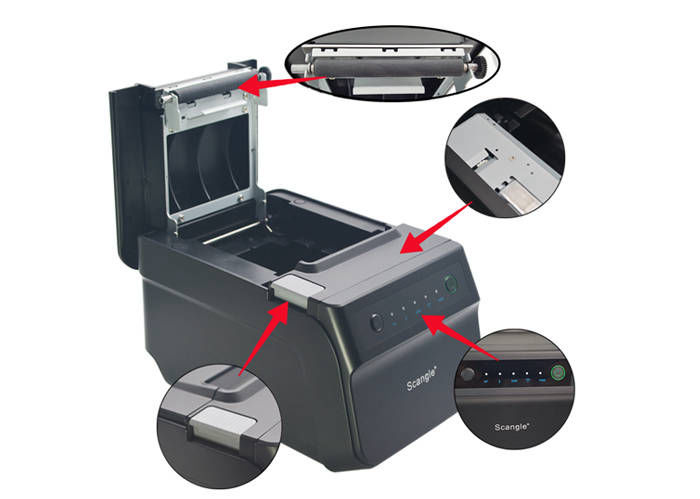
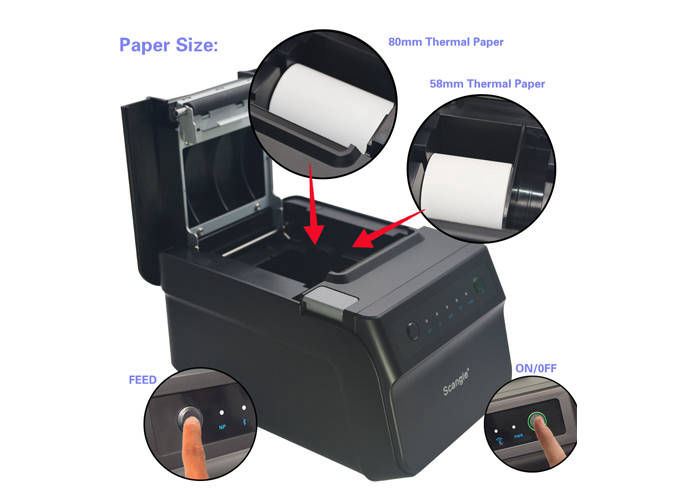
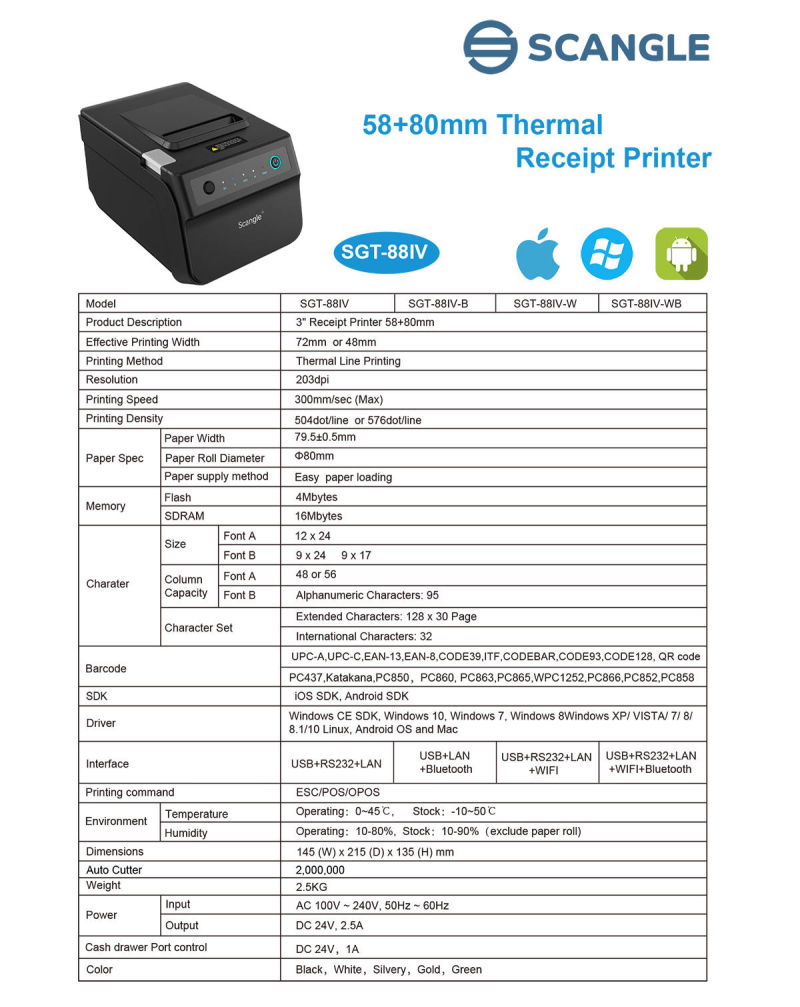
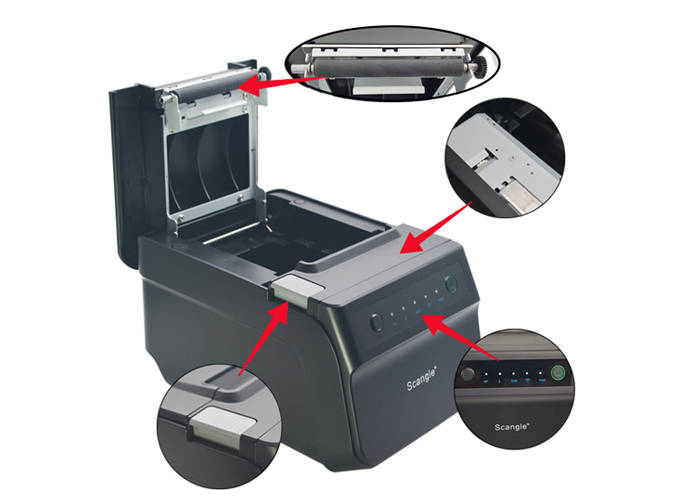
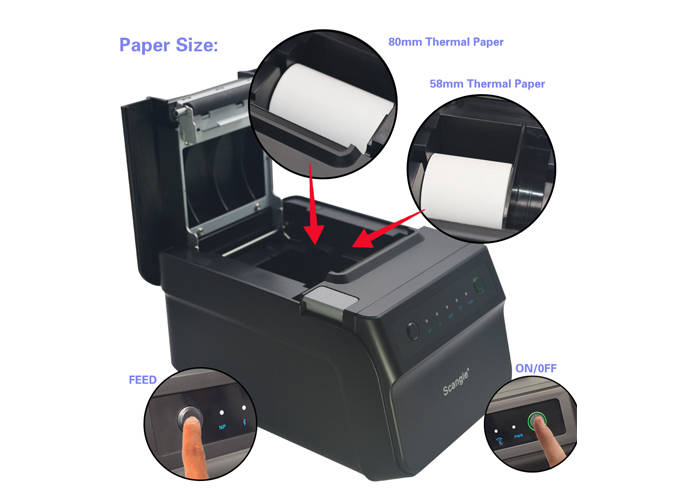
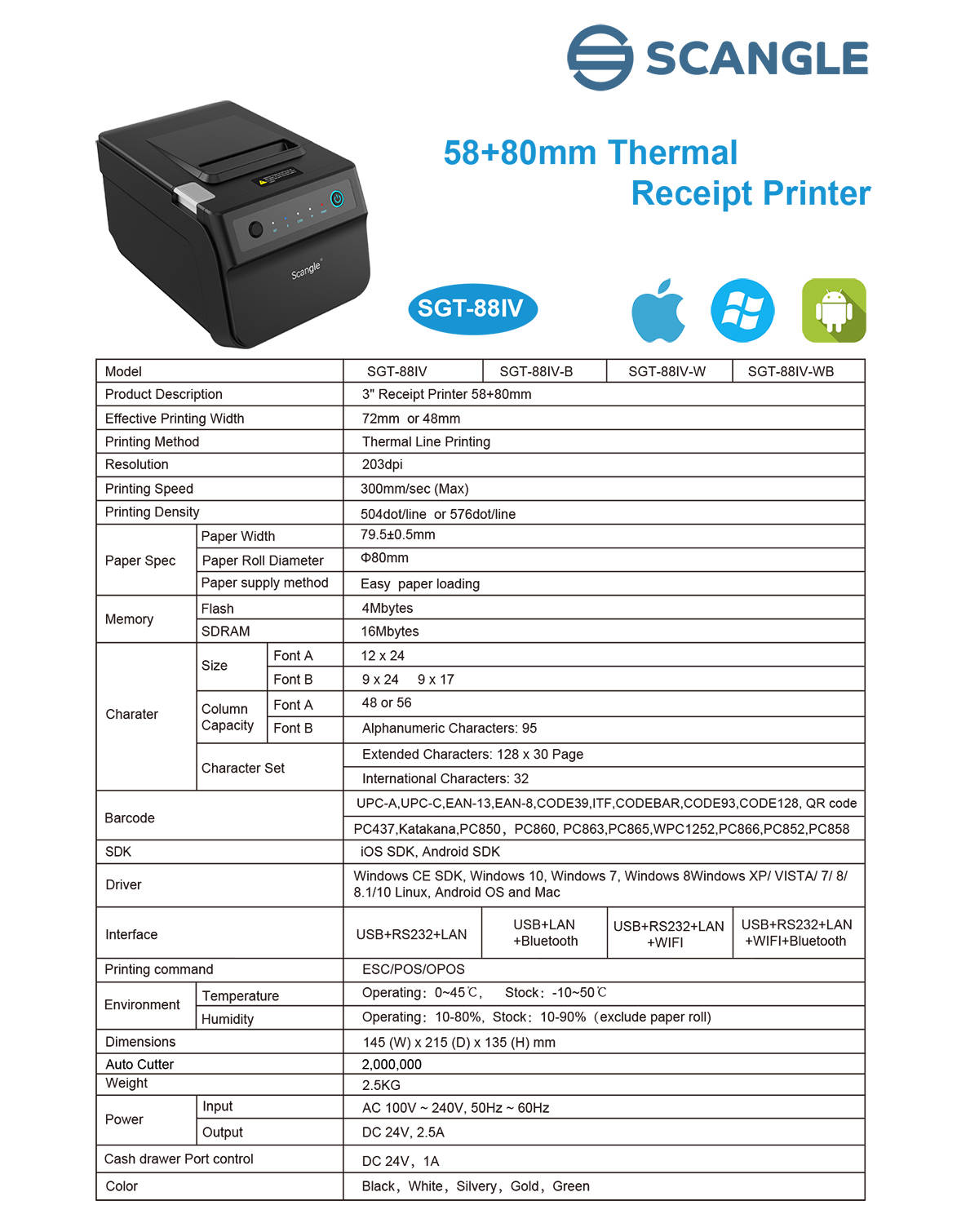
| Scangle SGT-88IV | |
|---|---|
| Print type | Thermal Printing |
| Print width | 58/80 mm |
| Resolution | 203 dpi |
| Print speed | 300 mm/s |
| Dimensions | 145 × 215 × 135 mm |
| Weight | 2,5 kg |
| Automatic cutter | Yes, lifetime 2 000 000 cuts |
| Supported standards | ESC/POS/OPOS |
| Operating temperature | 0°C - 45°C |
| Supported OS | Android, iOS, Windows, Windows CE |
| Supported Interface (optional) | RS232, USB, LAN, WiFi, Bluetooth |

+420 725 913 535
+420 702 142 452
info@satomar.cz
www.scangle.eu
Satomar, s.r.o.
ID: 29201586
VAT ID: CZ29201586
Karlova 37
614 00 Brno
Czech Republic