I am searching a book for...



Bath - Blocked With Hair
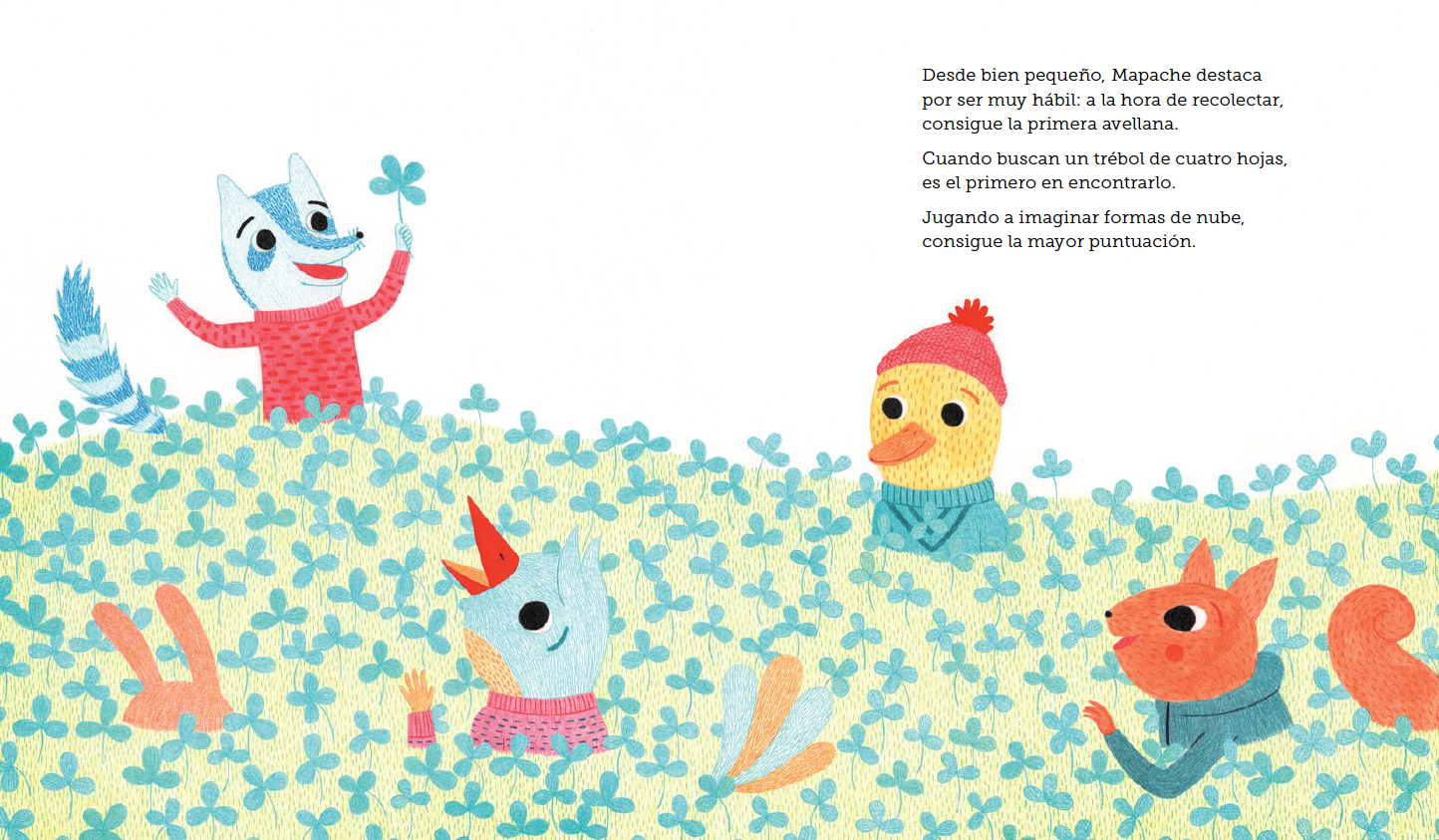
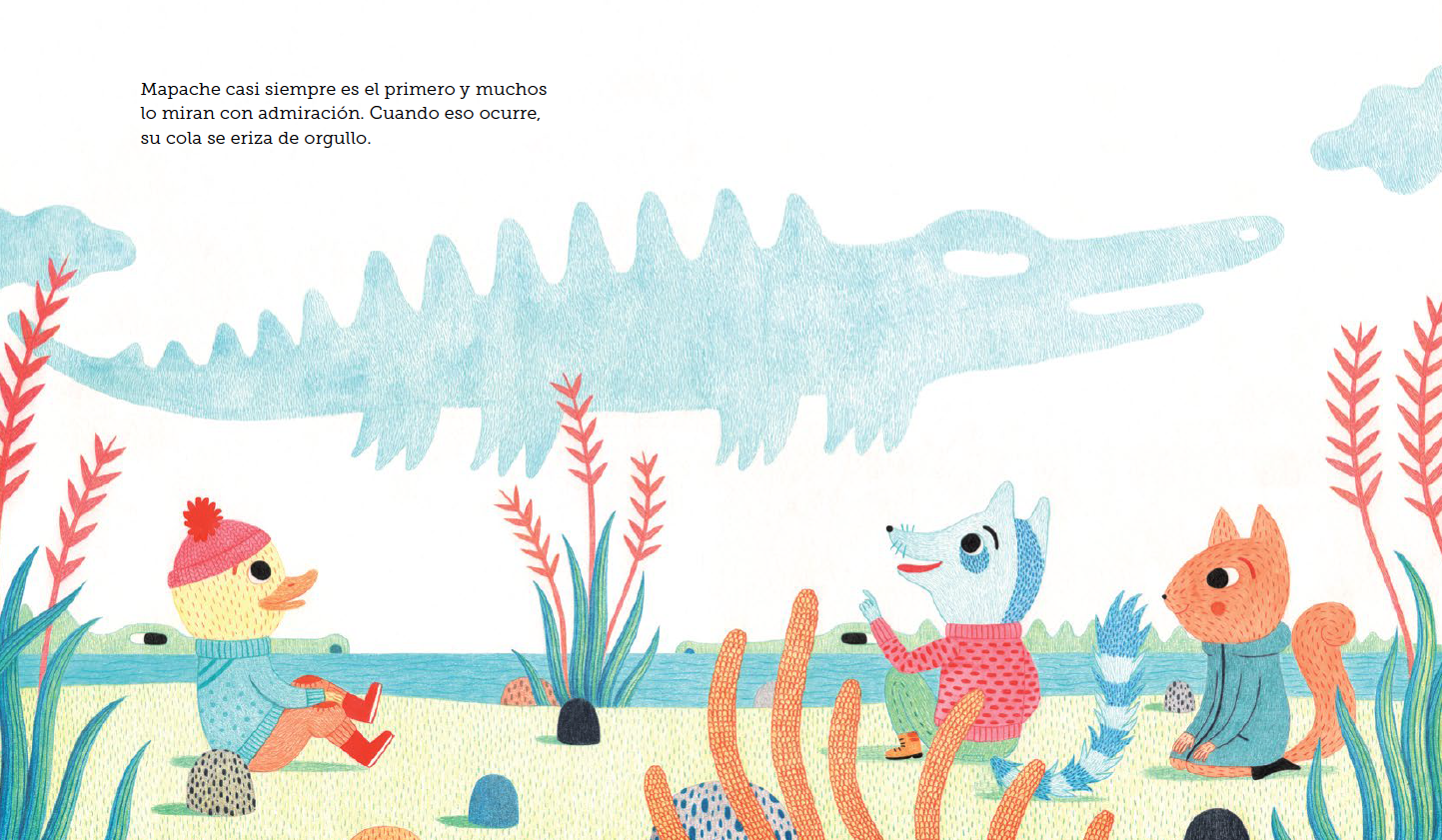
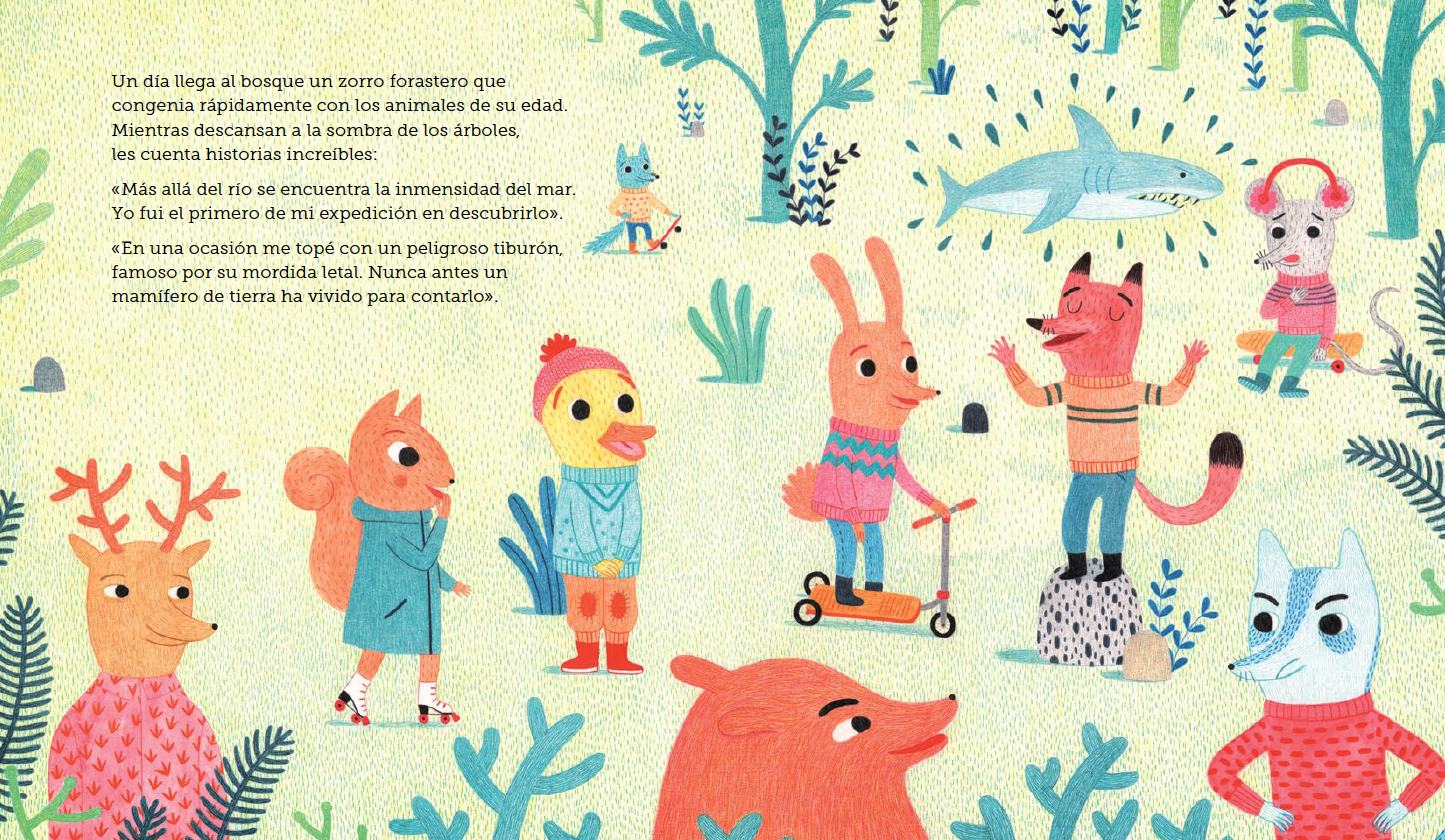
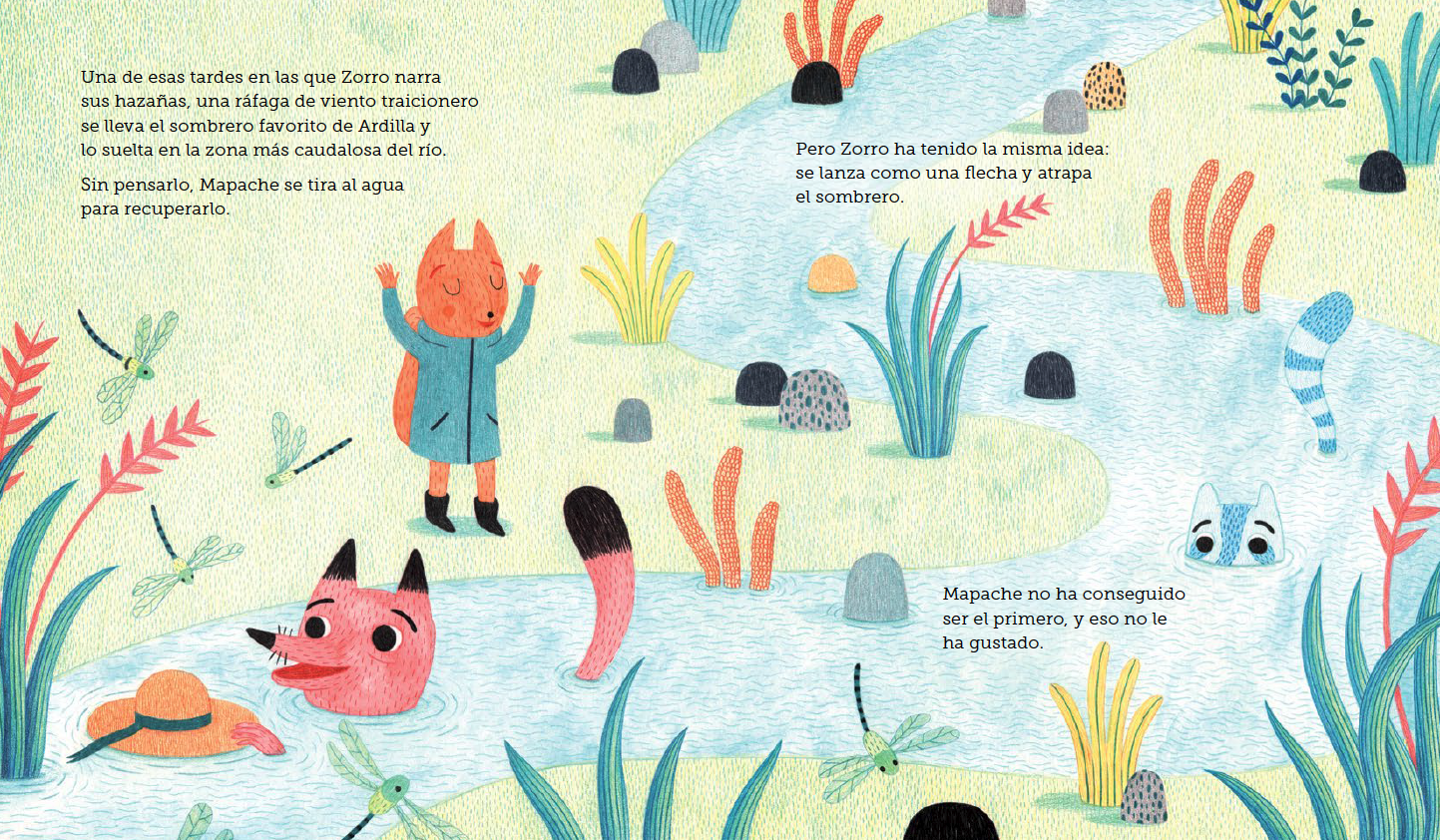
Mapache y sus amigos se dan cuenta de que “ser el primero” no es lo más importante.
Complete description





Bath - Blocked With Hair
Finally, there is the strange intimacy of the task. To clear a drain clogged with hair is to touch something that was once part of a head, a body. It carries a faint, unpleasant smell—not of decay, exactly, but of the humid, private chemistry of a person. In a shared household, it is a deeply unromantic but undeniable form of intimacy. You learn the texture, color, and length of another’s shedding. You become the custodian of their biology. It is far more revealing than any shared meal or conversation. In this way, the blocked bath is a great equalizer. Kings and paupers alike have fished foul, wet clumps from their drains.
This accumulation is a timeline. The hair near the top of the drain is recent, perhaps from this morning’s hurried rinse. The deeper, darker, more decomposed mass lower down is the sediment of last month’s long, contemplative soaks. To clear a drain is, in a macabre sense, to perform a small archaeology of the self. You are unearthing your own shedding, confronting the quiet, continuous loss that is a condition of living. We lose hundreds of hairs a day, a fact we ignore until they coagulate into a visible, tangible protest. The drain becomes a memento mori, a reminder that our bodies are in constant, untidy flux—growing, dying, and being washed away. bath blocked with hair
So, the next time the water pools around your ankles and the drain gives its final, choked sigh, resist the urge for pure frustration. Pause for a moment. Recognize the clog for what it is: a testament to life lived in a body, a record of time passed, a small, gross, and strangely beautiful rebellion of the material world against our dreams of order. Then, with a grimace and a rubber glove, reach in and pull it out. The water will rush away with a clean, grateful gulp, and you will be, for a few days at least, purified. Finally, there is the strange intimacy of the task
Consider the nature of the clog itself. A single strand of hair is delicate, almost ethereal. It is a protein filament, a dead cell that yet carries the story of our health, our stress, our age. It holds the ghost of our hormones, the residue of our shampoos and anxieties. Individually, it is nothing. But gathered over days and weeks—washed, conditioned, shed, and swirled—these individual strands weave themselves into a dense, felted rope. They bind together with soap scum, the calcium from hard water, and the oils of our own skin. The clog is a collaboration between our biology and our environment, a hybrid creature born of neglect and natural process. In a shared household, it is a deeply
In a broader sense, the blocked drain is a microcosm of our relationship with infrastructure. We rely on the invisible systems of pipes and flows that make modern life possible—until they fail. The moment the water stalls, the hidden becomes horrifyingly visible. We are forced to confront the “other side” of cleanliness: the waste, the accumulation, the gross physicality that our sleek chrome fixtures are designed to hide. The hair clog is a small rebellion of the repressed, a return of the discarded. It demands a hands-on response, a literal reaching into the dark, wet throat of the house. The unclogging is a humble act of maintenance, a reminder that every convenience requires a price, every luxury a labor.
There is a particular, sinking feeling that comes not from bad news or heartbreak, but from the domestic and the mundane. It is the moment you step out of a hot shower, the bathroom mirror veiled in steam, and notice the water receding from your feet not with a cheerful gurgle, but with a weary, stubborn crawl. The final, audible sigh from the drain confirms it: the bath is blocked. And the culprit, in nearly every case, is hair.
Furthermore, the blocked bath exposes the tension between our idealized selves and our physical reality. We enter the bath seeking purification, a ritual of cleansing and renewal. We light candles, add salts, and dream of floating, untethered, in a private sea. But the drain refuses to cooperate. It reminds us that purification is never complete; we are messy, material beings. The water that refuses to leave is a mirror of our own stubborn residues. The fantasy of the immaculate, self-contained individual dissolves in the grey, soapy backwash. We are, the drain insists, creatures of emission and shedding, leaving traces of ourselves wherever we go.
- Picture book
- Years: + 4 years
- Size: 8 1/4 x 9 5/8 in
- Product Form: Hardback
- Pages: 40
- ISBN: 978-84-943691-5-5
- $ 15,95 / 14,90 €